
Event App
Producing Hybrid Events: Combining the Best of Both Worlds
A comprehensive step-by-step guide to producing a successful hybrid event by balancing strategic planning, technical execution, and continuous audience engagement to bridge the gap between in-person and virtual experiences.
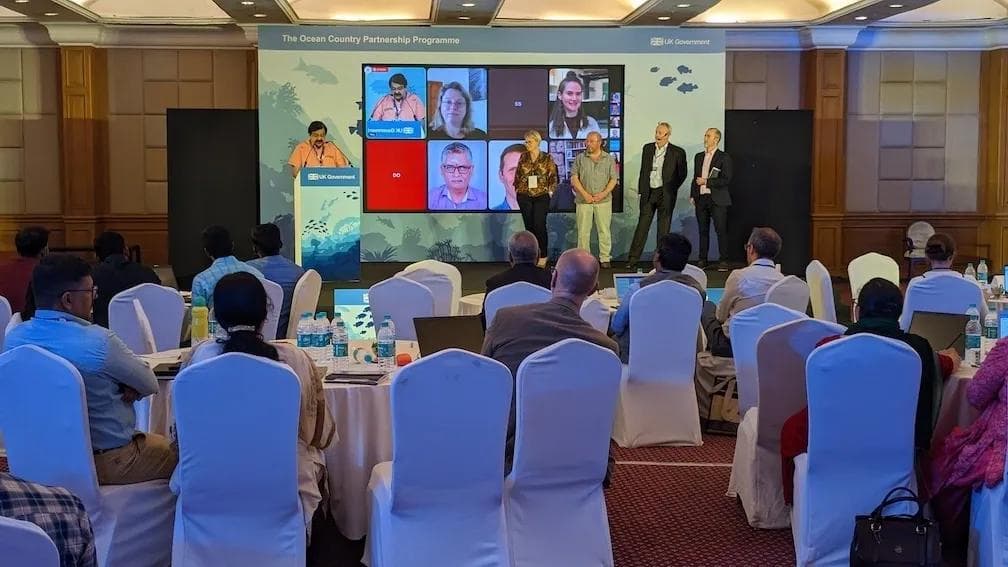
In today's rapidly evolving event landscape, hybrid events has emerged as a game-changer. A hybrid event combines the advantages of both in-person and virtual experiences, offering attendees the flexibility to participate in the way that suits them best. Whether you're organising a conference, trade show, or any other event, producing a successful hybrid event requires careful planning and execution.
In this blog, we'll guide you through the essential steps to produce a memorable hybrid event.
1. Define Your Objectives and Audience:
Before diving into the logistics, start by clarifying your event's purpose and identifying your target audience. Determine what you hope to achieve with your hybrid event. Are you looking to reach a broader global audience, enhance engagement, or provide flexibility for attendees? Understanding your goals will help shape your event's format and content.
2. Choose the Right Platform:
Selecting the right technology platform is crucial for a successful hybrid event. The platform should facilitate seamless interaction between in-person and virtual attendees. Consider factors like video streaming capabilities, networking, chat and polling functionality, and other audience engagement features like messaging, meetings management and video calling.
3. Plan Your Content:
Content is king in any event, and for a hybrid event, it's essential to strike a balance between in-person and virtual content. Create a schedule that accommodates both audiences, including live streams of in-person sessions and exclusive virtual sessions. Ensure that your content is engaging, informative, and accessible to all attendees.
4. Virtual Networking Opportunities:
Hybrid events offer the unique advantage of expanding your networking opportunities. Integrate virtual networking sessions or dedicated virtual lounges where attendees can connect and interact online. Use tools like breakout rooms and chat platforms to facilitate discussions and connections between both audiences.
5. Registration and Ticketing:
Implement a registration and ticketing system that allows attendees to choose their preferred attendance mode (in-person or virtual). Ensure clear communication about the event format and any associated costs. Tailor your registration process to accommodate different needs, such as providing virtual attendees with access codes or login information.
6. Technology and Production Setup:
Technical setup is critical to the success of your hybrid event. Ensure high-quality audio and video equipment for both in-person and virtual presentations. Have technical support on hand to troubleshoot any issues that may arise during the event. Test thoroughly to eliminate any potential glitches.
7. Promote Your Event:
To maximise attendance and engagement, create a robust marketing plan that targets both in-person and virtual audiences. Utilise social media, email marketing, and other promotional channels to reach your desired demographic. Tailor your messaging to emphasise the benefits of attending in either mode.
8. Train Your Team:
Educate your team, including event staff and, in particular, virtual and in person speakers, about the hybrid event format. Ensure everyone is familiar with the technology platform and knows how to engage with both types of attendees effectively. Conduct rehearsals to minimise any hiccups during the event.
9. Provide Pre, During and Post-Event Resources:
Your hybrid event platform will engage your audience during all phases of the event lifecycle by providing interaction and resources such as collaborative working, on demand sessions and presentation materials.
10. Build your Community
Use the digital platform to continue engagement, networking and encourage ongoing discussions and collaboration. Forward thinking organisers will develop a content strategy to keep the audience engaged and thinking in between event touch points. This will help maintain the momentum and value of your event even after it's over.
10. Gather Feedback:
Finally, gather feedback from attendees to assess their experience and gather valuable insights for future hybrid events. Use surveys, social media polls, and direct feedback to understand what worked and what needs improvement.
Producing a hybrid event may seem challenging, but with careful planning and execution, it can be a powerful way to reach a broader audience and provide valuable experiences for all participants. By defining your objectives, selecting the right platform, planning your content, and ensuring a seamless technical setup, you can produce a successful hybrid event that combines the best of both worlds.
Continue the journey
Find Your Event Setup
Answer a few quick questions and get a tailored recommendation for the right mix of event tech, production support, and post-event community planning.