
Event Management
Onboarding Speakers: The Secret to Event Success
We explore how intentional speaker onboarding - focusing on alignment, brevity, and inclusivity - serves as the essential foundation for creating engaging, high-impact events that deliver lasting value to participants.
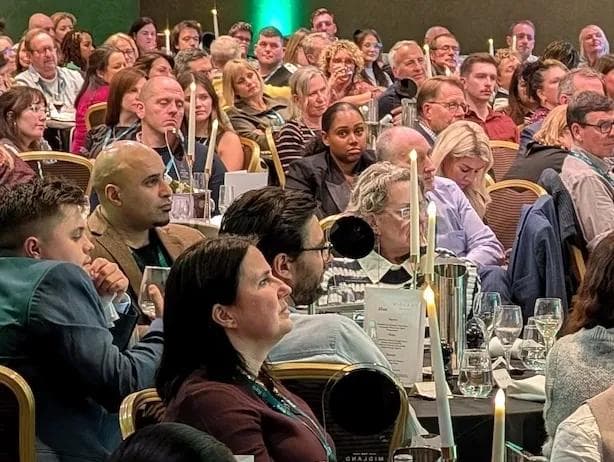
If you’ve ever sat through an event where a speaker seems disconnected—or worse, where presentations overlap or run long—you know just how much thoughtful preparation matters. As discussed at a recent episode of Making Events Matter, we believe onboarding your speakers isn’t just a box to tick in your planning timeline. It’s the engine that powers insightful discussion, audience engagement, and ultimately, an impactful event. In this episode, Dom Honey and Steve Bather take us behind the scenes on how they set speakers up for success—and why it makes all the difference.
Why Speaker Onboarding Matters
According to Steve, every event is powered by critical people: keynote speakers, presenters, table facilitators, panel members, specialists, and more. Each brings unique expertise and energy, but that only shines through when they’re aligned, prepared, and confident in what’s expected. Speaker onboarding ensures that presenters:
- Know the objectives and feel connected to the event’s purpose
- Are prepared for the session format (virtual, hybrid, or in-person)
- Can deliver their content in a time-effective, engaging way
- Have the chance to collaborate with co-presenters and other key participants
The Art (and Science) of Briefing
Dom points out that while you want to onboard someone as early as possible, timelines are often tight. Realistically, key speakers begin focusing on the event 4–6 weeks out. That’s the window to brief everyone together, share session goals, and allow speakers to coordinate to avoid overlap and maximise the session’s impact.Why does group briefing work so well? It breaks the isolation of the “lone speaker” mentality. Those initial introductions aren’t just a formality—they foster peer learning, spark collaboration, and help speakers tailor their content to the collective objectives.Steve breaks down his onboarding checklist into three essential questions for speakers:
- What are your key messages?
- How do those messages align with the event’s purpose?
- What should attendees take away or do differently after your session?
This laser focus helps speakers fine-tune their material for the greatest relevance and resonance.
Maximising Participation, Minimising Monologue
Both Steve and Dom are big believers in the power of brevity—citing the TED Talk model as a guide. Presentations are typically capped at 3, 6, 9, or 12 minutes, leaving equal or more time for participant-driven Q&A. This not only keeps energy high, but also centres the event on attendee curiosity, not just expert lectures.And technology ties it all together: digital platforms (like XLEAP) allow for real-time, anonymous audience input during sessions, and follow-up questions afterward. Presenters can revisit unanswered questions post-event, which creates an ongoing dialogue and extends the value of the event long after it ends.
The Nuances: Inclusivity and Comfort
Events are global, and inclusivity is non-negotiable. Onboarding doesn’t just cover presentation logistics. Steve and Dom go the extra mile to ensure:
- Speakers are comfortable with remote tech (right lighting, camera angles, slide integration)
- Language barriers are addressed (with translation or captions as needed)
- Names are pronounced correctly and introductions are thoughtful
- Cultural contexts and diverse participant needs are respected
Anonymised digital participation, in particular, opens doors for attendees in hierarchical or culturally sensitive environments to contribute freely—levelling the playing field.
Legacy: Extending the Life and Impact of Your Event
Onboarding sets the tone for an event, but the story doesn’t end when the last session wraps. Dom and Steve leverage their digital platforms post-event, turning them into living community archives. Recordings, slide decks, session summaries, and additional resources are uploaded and made searchable—often with built-in AI tools that let attendees (even those who missed the event) quickly surface exactly what they need.
This post-event engagement drives return on investment—not only for organisers but for every participant and speaker. Long after the agenda is finished, the value lives on.
Final Thoughts
Great events don’t happen by accident. As Dom and Steve demonstrate, onboarding your speakers with intention, clarity, and support isn’t just best practice—it’s the key to making your event matter.Want more behind-the-scenes secrets? Listen to the latest episode of Making Events Matter for actionable tips you can use at your next event.
Youtube channel https://www.youtube.com/@makingeventsmatter
Spotify show https://open.spotify.com/show/5uXSwZ0W4Tnzc7xQftTuwe?si=_MsAQsfxSM6c7fOXtFKmwg
Apple show https://apple.co/4o2j1kE
Amazon show https://music.amazon.co.uk/podcasts/3e5ce0d3-ca52-46aa-9164-5073e7d4ce53/making-events-matter
Let us know in the comments how you onboard your speakers, or which onboarding challenges you’d like us to cover in future episodes!
Making Events Matter is a podcast by Dom Honey, Event Results and Steve Bather, Realise Group.
Continue the journey
Find Your Event Setup
Answer a few quick questions and get a tailored recommendation for the right mix of event tech, production support, and post-event community planning.